
About Heating & Furnace Repair
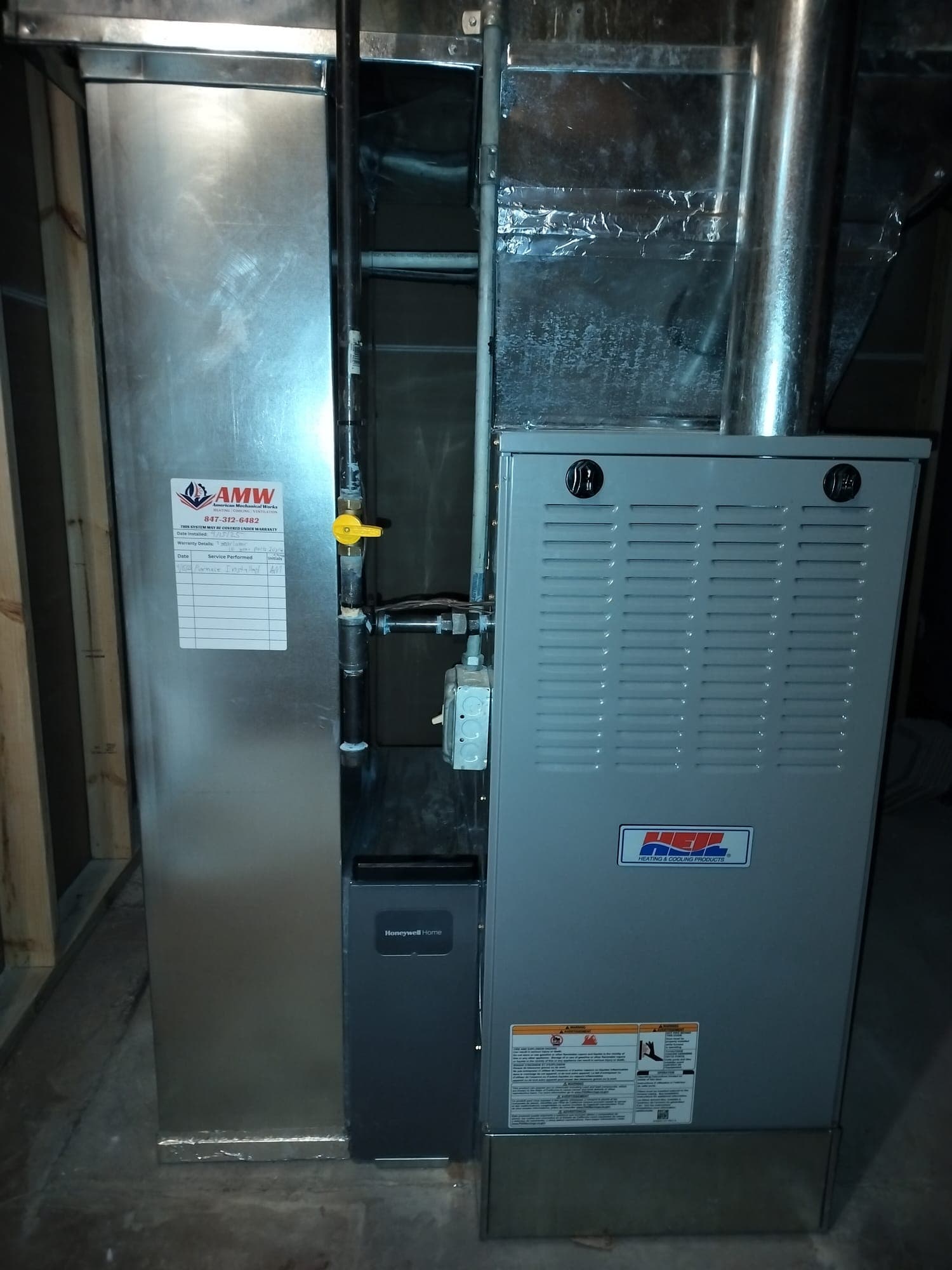
Heating repair covers gas and electric furnaces, boilers, and heat-pump heating: ignition and flame-sensor failures, faulty igniters and gas valves, blower-motor and control-board problems, short-cycling, no-heat and weak-heat conditions, and the safety devices that protect your family. Because furnaces burn fuel, a careful technician also checks for the warning signs of a cracked heat exchanger and carbon-monoxide risk.
Our technicians carry common furnace parts so most repairs are completed in a single visit. We test the ignition sequence, gas pressure, airflow, and safety limits, then explain exactly what failed and what it will take to fix it before any work begins.
We service every major furnace brand, and as installers we can tell you honestly when an aging or unsafe furnace should be replaced rather than repaired, your family’s safety comes before a service ticket.
Why Choose AMW for Furnace Repair
Safety-first diagnostics
Every no-heat call includes a combustion and safety check. We will never leave a furnace running with a carbon-monoxide risk.
Fast no-heat response
We prioritize no-heat calls all winter and offer 24/7 emergency hvac service available when the cold cannot wait.
Parts on the truck
Igniters, flame sensors, capacitors and common control parts ride with us, so most repairs finish in one visit.
Honest repair-vs-replace advice
If your furnace is unsafe or near the end of its life, we will tell you, and give you replacement options without pressure.
What to Expect
Rapid scheduling
No-heat calls go to the front of the line, especially during cold snaps.
Diagnose & safety check
We test ignition, gas, airflow, and combustion safety to find the fault and rule out CO hazards.
Clear price approval
You see the repair and price up front and approve before we proceed.
Repair & confirm heat
We make the repair, verify a full safe heating cycle, and confirm your home is warming properly.
Frequently Asked Questions
Yes. We offer 24/7 emergency heating service and prioritize no-heat calls during cold snaps so your family is not left without heat in dangerous temperatures.
Short-cycling is often caused by a dirty flame sensor, a clogged filter, an overheating limit switch, or an oversized furnace. A technician can identify the cause and prevent the wear that short-cycling puts on the system.
Yes. A cracked heat exchanger can leak carbon monoxide into your home and is a serious safety hazard. If we find one, we will shut the furnace down and explain your options.
It depends on the failed part, an igniter or flame sensor is inexpensive, while a control board or gas valve costs more. We always provide an upfront, written price before doing the work.
A well-maintained gas furnace typically lasts 15-20 years. If yours is in that range and needs a major repair, it is worth comparing the repair cost against a new high-efficiency furnace. We will lay out both options honestly.
Check the thermostat first. If the fan is set to “on” instead of “auto,” it blows room-temperature air between heating cycles. Then check the filter, because a clogged filter can make the furnace overheat and shut the burners off while the blower keeps running. Other common causes are a dirty flame sensor, a failed igniter, a gas supply problem, or a clogged condensate line on a high-efficiency furnace. If it still blows cold, call us. We prioritize no-heat calls all winter.
A light, dusty burning smell for the first few minutes of the season is normal. Dust that settled on the furnace over the summer is burning off. If the smell lasts, smells like burning plastic or wiring, or you see smoke, turn the furnace off and call us. If you smell gas, a rotten egg smell, leave the house right away and call your gas company or 911 from outside.
It is worth planning for. A well-maintained gas furnace typically lasts 15-20 years, so a 25-year-old furnace is past that range, and a new high-efficiency furnace uses less gas for the same heat. If yours still runs safely, you do not have to replace it today, but have it checked for safety and plan the replacement before it fails in a cold snap. We give you a price to repair and a price to replace so you can compare.
Often it can be repaired. Many no-heat calls come down to one part, like an igniter, a flame sensor, or a control board. We show you the failed part and give you the repair price first. If the furnace is unsafe, near the end of its life, or needs a major repair like a heat exchanger, we will tell you and give you replacement options.
Yes, $75 to $150 depending on where you are.